
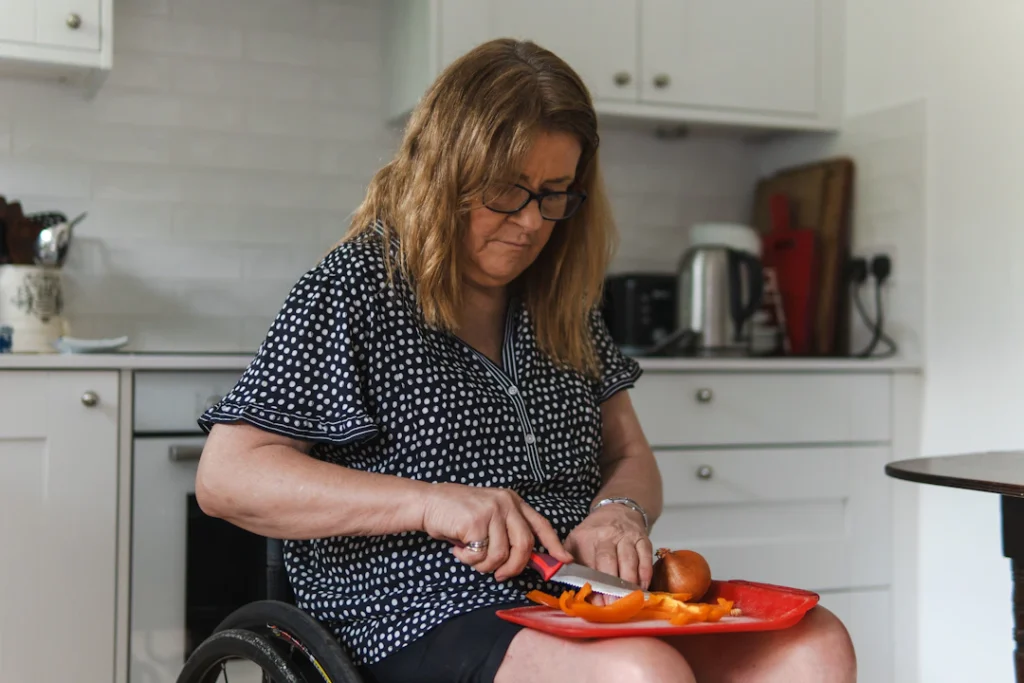
Occupational therapy can help with daily activities, equipment and changes to your home. This guide explains what NDIS may fund, where the limits are and what to check before paying for an assessment.
Does NDIS cover occupational therapy?
Yes, when occupational therapy is an approved support for your disability-related needs. An OT helps you do everyday activities, adapt your environment and use equipment safely. Your diagnosis alone does not determine which sessions, assessments or reports will be funded.
The proposed support must meet all applicable NDIS funding criteria, including being effective and beneficial, value for money and appropriately funded by the NDIS. A connection to your goals matters, but is not the only test. Read the NDIA’s therapy funding guidance.
What NDIS occupational therapy may cover
- Daily living: practising tasks such as dressing, preparing food or managing routines, and adapting how you do them.
- Functional assessments: documenting how disability affects everyday activities and what assistance may be needed. Ask what question the assessment will answer before commissioning a report.
- Equipment assessments: checking whether an assistive product is suitable, trialling options and training you or your supporters.
- Home modification advice: assessing access and recommending changes. Approval of the OT assessment does not itself approve building work.
- Maintaining independence: support may help preserve abilities or prevent deterioration as well as develop new skills.
These are examples, not automatic entitlements. The amount and type of support depend on your plan. For other professions and how they work together, see our NDIS allied-health guide.

What is not automatically covered?
An OT recommendation is evidence for a funding decision, not a promise that the NDIA will pay. General wellness, services unrelated to your disability and supports that belong to another system do not become NDIS-funded simply because an OT recommends them.
An assessment, the recommended equipment and any building work are different purchases. Check approval, budget and any quote requirements for each before committing. Read our assistive technology guide for the equipment pathway.
For children, eligibility and therapy arrangements depend on their circumstances and age. Developmental concerns do not automatically mean access to an individual NDIS plan. Discuss the pathway with the child’s treating professional and NDIS contact.
Which part of your plan pays?
OT is often described under Improved Daily Living within Capacity Building, but the support item and your actual plan wording matter. Do not assume that money shown elsewhere in a plan can be moved into OT.
Current NDIA guidance describes therapy funding as stated support: it must be used as specified. Ask your NDIS contact to clarify any uncertainty about the service, available funding period and restrictions before booking. A plan manager can help check invoices and remaining funds, but cannot approve extra funding. Check the NDIA’s explanation of flexible and stated budgets.
How much does NDIS occupational therapy cost?
The current 2026–27 pricing schedule sets a national limit of $193.99 per hour for direct OT services where price limits apply. Remote and very remote limits are higher. These limits apply to agency-managed and plan-managed funding; self-managed participants negotiate prices within their approved funding and applicable rules.
A limit is not a required charge or an all-inclusive appointment price. Ask for the actual hourly rate, appointment length and separate charges for permitted reports, travel or non-face-to-face work.
Illustrative calculation: 45 minutes of direct therapy at the national maximum is $145.49, before any separately agreed, permitted extras. It is not automatically a full hour’s charge. Ask what is included if a provider quotes a longer session that includes preparation or documentation.
- Is the assessment quote inclusive of the written report?
- How much travel time and any non-labour travel cost will be billed?
- What cancellation conditions are in the agreement?
- How much of the budget will remain for follow-up appointments?
How to get started or request OT funding
If OT is already approved, check the available amount and restrictions, then ask suitable providers for availability and an itemised quote. If support is missing or your circumstances change, speak with your NDIS contact about evidence and the appropriate plan-change process. You do not always need to wait for the next scheduled reassessment.
Our step-by-step guide to getting NDIS occupational therapy covers provider selection, preparation and what to ask before you book. Keep this article as your coverage and cost reference.
Finding an OT when appointments are limited
Availability varies by location, speciality and appointment type. There is no single wait time that reliably describes every participant’s situation. Ask whether a provider is taking new clients, when an assessment is available and how soon ongoing sessions could start.
Check the OT’s current Ahpra registration and experience with the support you need. This professional registration is different from NDIS provider registration. Agency-managed funding generally requires an NDIS-registered provider; plan-managed or self-managed arrangements may allow providers without NDIS registration, but professional standards still apply.
Ask whether an assessment-only appointment, cancellation list or suitable telehealth option would help. Do not assume remote delivery is appropriate for every physical or home assessment.
Paying for OT and your next step
Agency-managed supports are claimed by the registered provider. With self-management, you manage claims and payments. With plan management, your plan manager processes approved invoices from the relevant budget; you still choose the therapist and agree the service.
If invoice administration is the part you need help with, see how NDIS plan management works. That is separate from finding or clinically assessing an OT.
Use the funding, quote and provider checklist in our access guide so you can compare what each appointment includes.
Frequently asked questions
Does NDIS cover occupational therapy?
It can fund approved OT supports for disability-related needs when all applicable funding criteria are met. A diagnosis or a goal alone does not guarantee funding.
Is the OT price the same for everyone?
No. The national direct-service limit is $193.99 per hour where price limits apply; remote and very remote limits differ. Providers may charge less. Self-managed pricing and separately permitted extras need checking.
Can I use any Capacity Building funding for OT?
Do not assume so. Check the actual therapy support, budget, funding period and restrictions in your plan. Stated funding must be used as described.
Does an OT report guarantee equipment or home modification funding?
No. An assessment supports a funding request. Equipment and building work may need separate approval, evidence and quotes.
Can I use an OT who is not NDIS registered?
Depending on your funding-management arrangement, a provider may not need NDIS registration. The OT still needs current professional registration with Ahpra. Agency-managed supports generally require an NDIS-registered provider.
Do I have to wait for my next reassessment to ask for OT?
Not necessarily. Contact your NDIS contact if your support needs or circumstances change. They can explain the appropriate process and evidence needed; additional funding is not automatic.
Sources and editorial notes
Prepared by DisabilityChoice from the official sources below. Funding decisions and clinical recommendations depend on your circumstances; confirm the proposed support with your treating professional and your NDIS contact.